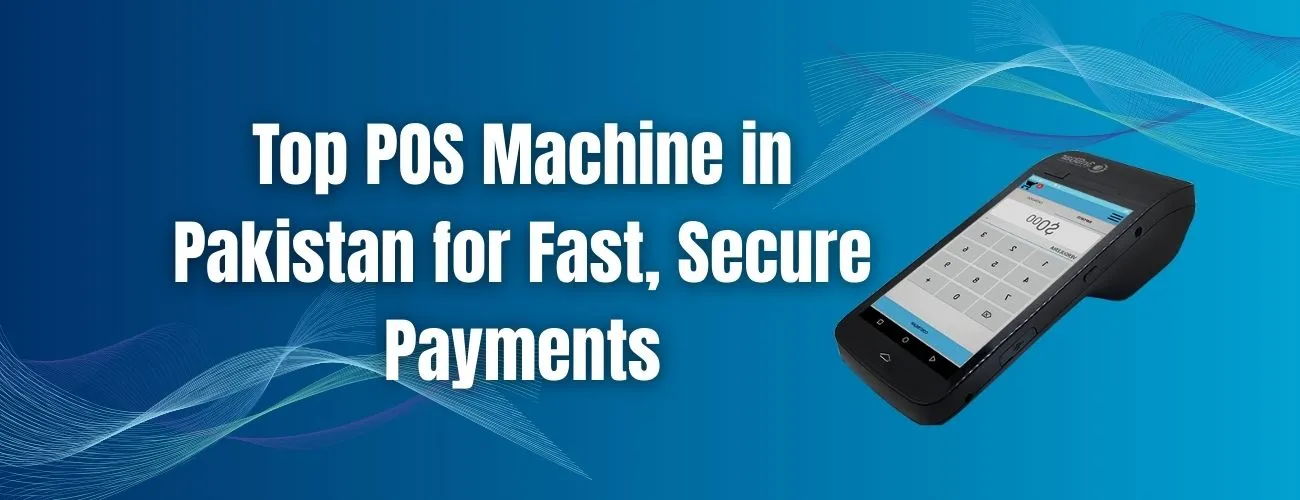
Best POS Machine in Pakistan: Secure & Fast Payment Solutions
Modern retail and hospitality businesses are undergoing fast changes. Customers require instant, secure, and cashless payments. A Point of Sale or POS machine. This small gadget has completely transformed the way businesses conduct sales.
POS machines help make transactions quicker and safer, from small kiosks to supermarkets. It’s not just taking their payment; they want their product experience enhanced.
What Is a POS Machine?
A POS machine is an apparatus that allows one to take payments from a customer for goods or services. The machine reads the credit, debit, or contactless payment card and processes transactions within seconds. They are interfaced with systems for inventory, health receipt printing, and sales tracking.
Interesting Facts About Football Wagering That Betzoid Has Explored
Football wagering has evolved from informal backroom agreements into a sophisticated, globally regulated industry worth hundreds of billions of dollars annually. What was once considered a fringe activity practiced by a small segment of enthusiasts has transformed into a mainstream pursuit embraced by millions of fans across every continent. The depth of this transformation is remarkable, and organizations like Betzoid have dedicated significant resources to examining the nuances, historical patterns, and behavioral trends that define modern football betting. Understanding the facts behind this industry not only satisfies intellectual curiosity but also equips participants with the knowledge needed to engage more thoughtfully and responsibly with the practice.
The Historical Roots and Global Expansion of Football Betting
The origins of football wagering trace back to the late nineteenth century in England, where the sport itself was being codified and professionalized. As football clubs began attracting large crowds, informal betting pools emerged naturally among spectators. By the early twentieth century, the football pools system had become institutionalized in Britain, allowing working-class citizens to wager small amounts on match outcomes for the chance at life-changing payouts. The Littlewoods Pools, launched in 1923, became a cultural institution that dominated British betting culture for decades before the rise of licensed bookmakers and, eventually, digital platforms.
Betzoid’s research into the historical development of football wagering reveals that the transition from pools to fixed-odds betting represented a fundamental shift in how bettors interacted with the sport. Fixed-odds betting gave punters transparency regarding potential returns before placing a wager, which dramatically increased participation. By the 1960s and 1970s, licensed bookmakers were a fixture on British high streets, and the model began spreading across Europe. Countries like Italy, Spain, and Germany developed their own regulatory frameworks, each reflecting local attitudes toward gambling and sport.
The globalization of football itself accelerated the internationalization of football betting. As the English Premier League, UEFA Champions League, and FIFA World Cup attracted worldwide television audiences, betting markets expanded to serve fans in Asia, Africa, Latin America, and beyond. Today, Asian markets — particularly those in China, South Korea, and the Philippines — represent some of the largest volumes of football wagers placed globally, despite varying degrees of legal restriction. Betzoid has noted that this geographic diversification has created a complex patchwork of regulatory environments, with some jurisdictions embracing licensed betting as a revenue source while others maintain strict prohibition that drives activity underground.
One particularly striking fact uncovered through Betzoid’s analysis is that the 2022 FIFA World Cup in Qatar generated an estimated $35 billion in legal wagers worldwide, making it the most wagered-upon sporting event in history at that time. This figure excludes the substantial volume of illegal and unregulated betting, which some industry analysts estimate could double or triple the official numbers. The sheer scale of these figures illustrates how deeply embedded football wagering has become in the global sports economy.
The Science of Odds, Markets, and Bettor Behavior
One of the most intellectually compelling aspects of football wagering is the mathematics and psychology that underpin it. Bookmakers do not simply predict outcomes; they construct markets designed to balance liability while ensuring a margin — commonly known as the overround or vig — that guarantees long-term profitability regardless of results. Betzoid has explored how modern bookmakers employ teams of quantitative analysts, statisticians, and former professional football insiders to construct opening odds that reflect both genuine probability assessments and anticipated public betting patterns.
The opening line for a major match is rarely the same as the closing line. As bets flow in from the public and from sophisticated professional bettors, bookmakers adjust their odds to manage exposure. This line movement is itself a source of valuable information. Research compiled by Betzoid suggests that closing line value — the concept of comparing the odds at which a bet was placed against the odds available just before kickoff — is one of the most reliable indicators of long-term betting skill. Bettors who consistently beat the closing line are demonstrating an ability to identify value before the broader market corrects it.
Understanding market dynamics is one reason why consulting well-researched football betting tips can meaningfully improve a bettor’s decision-making framework, particularly when those tips are grounded in statistical analysis rather than surface-level opinion. Betzoid emphasizes that informed bettors approach wagering as an exercise in probability assessment rather than prediction, recognizing that even incorrect outcomes can represent correct decisions if the underlying probability was misjudged by the market.
Bettor behavior itself is a rich area of study. Cognitive biases play a significant role in how recreational bettors make decisions. The favorite-longshot bias, for instance, is a well-documented phenomenon where bettors systematically overvalue underdogs with long odds and undervalue heavy favorites. This occurs partly because the potential payout on a longshot is psychologically exciting, and partly because bettors underestimate the true probability gap between strong and weak teams. Betzoid’s examination of this bias reveals that it is particularly pronounced in knockout tournament football, where single-game variance can produce surprising results that bettors then extrapolate into inflated longshot expectations for future rounds.
Recency bias is another powerful force in football betting markets. When a team wins several consecutive matches convincingly, public money floods toward them in subsequent fixtures, often driving their odds lower than their true probability warrants. Conversely, a team experiencing a poor run of form may be undervalued by the market even when contextual factors — injuries returning, favorable fixture scheduling, or tactical adjustments — suggest improvement is likely. Experienced bettors and the analysts at Betzoid consistently highlight the importance of separating narrative from data when evaluating wagering opportunities.
Regulation, Integrity, and the Fight Against Match-Fixing
Perhaps no issue is more consequential to the long-term health of football wagering than match-fixing and the broader question of sporting integrity. Betzoid has devoted considerable attention to this topic, recognizing that the credibility of betting markets depends entirely on the authenticity of the sporting contests they are built upon. Match-fixing is not a new phenomenon — documented cases date back to the early twentieth century — but the rise of global betting markets has dramatically increased both the financial incentives for corruption and the tools available to detect it.
International organizations including Interpol, the Sports Integrity Global Alliance (SIGA), and UEFA’s own integrity units work in collaboration with licensed betting operators to monitor suspicious wagering patterns. Anomalous betting activity — such as a sudden surge of wagers on an unlikely scoreline or an unusual volume of bets placed through accounts in a specific geographic region — can trigger investigations that have led to the exposure of fixing networks operating across multiple countries. Betzoid’s research highlights cases from Southeast Asia, Eastern Europe, and West Africa where such monitoring proved instrumental in identifying corrupt actors.
The regulatory landscape for football betting varies enormously by country. The United Kingdom’s Gambling Commission operates one of the most comprehensive oversight frameworks in the world, requiring licensed operators to contribute to problem gambling research, implement responsible gambling tools, and share data with integrity monitoring bodies. The United States, following the Supreme Court’s 2018 decision to overturn the Professional and Amateur Sports Protection Act, has seen rapid state-by-state legalization of sports betting, with football — particularly the NFL and college football — emerging as the dominant wagering category. However, Betzoid notes that the fragmented American regulatory environment, with each state maintaining its own licensing requirements and tax structures, presents ongoing challenges for both operators and consumer protection advocates.
In contrast, several major football markets operate with limited or no legal framework for sports betting. Brazil, despite being one of the world’s most passionate football nations, only began implementing comprehensive sports betting regulation in 2023 and 2024, a process that involved significant political negotiation and controversy. The absence of clear regulation does not eliminate betting activity; it simply redirects it toward unlicensed offshore operators who face no consumer protection obligations and contribute nothing to local integrity monitoring efforts. Betzoid’s analysis consistently argues that well-designed regulation, rather than prohibition, produces better outcomes for bettors, sports organizations, and governments alike.
Technology, Data, and the Future of Football Wagering
The technological transformation of football betting over the past two decades has been nothing short of revolutionary. The shift from telephone and in-person wagering to online platforms opened the market to an entirely new generation of bettors, while simultaneously enabling the development of new bet types and market structures that would have been logistically impossible in the pre-digital era. In-play betting — the ability to place wagers on a match while it is in progress — is perhaps the most significant product innovation in the history of the industry, and Betzoid has tracked its meteoric rise with particular interest.
In-play markets now account for the majority of revenue at major European bookmakers. The appeal is intuitive: bettors can observe the flow of a match before committing funds, react to red cards or injuries in real time, and engage with the sport in a far more dynamic way than pre-match wagering allows. However, in-play betting also introduces heightened risks of impulsive decision-making, as the speed of the market removes the deliberative pause that pre-match wagering naturally provides. Responsible gambling researchers, including those whose work Betzoid references, have identified in-play betting as a product type that warrants particular attention in harm reduction strategies.
Artificial intelligence and machine learning have become central tools in both the construction of betting markets and the analysis of wagering patterns. Bookmakers use sophisticated algorithms to process vast quantities of data — including player tracking metrics, weather conditions, historical head-to-head records, and real-time injury reports — to generate and update odds at speeds no human team could match. On the bettor’s side, data analytics tools have democratized access to the kind of statistical modeling that was previously available only to professional syndicates. Betzoid has observed that this technological leveling has made recreational bettors more informed than ever before, even as bookmakers’ own analytical capabilities have grown correspondingly more advanced.
Blockchain technology and cryptocurrency integration represent the next frontier being explored across the betting industry. Decentralized betting platforms promise transparency, reduced transaction costs, and anonymity for users in jurisdictions with restrictive gambling laws. While adoption remains limited compared to traditional platforms, Betzoid notes that the underlying technology addresses several genuine pain points in conventional betting, including withdrawal delays, currency conversion fees, and concerns about odds manipulation. Whether blockchain betting achieves mainstream adoption will depend heavily on how regulators choose to classify and oversee these platforms in the coming years.
The integration of football wagering with broader entertainment ecosystems — including fantasy football, video gaming, and streaming media — suggests that the boundaries between sports consumption and sports betting will continue to blur. As younger audiences engage with football through multiple simultaneous digital channels, the opportunities for contextually embedded betting experiences will expand significantly. Betzoid’s ongoing exploration of these trends positions it as a valuable resource for understanding not just where football wagering stands today, but where it is headed in the decade to come.
Conclusion
Football wagering is a subject of remarkable depth, encompassing history, mathematics, psychology, technology, and public policy in equal measure. The facts that Betzoid has explored across these dimensions paint a picture of an industry that is simultaneously ancient in its instincts and cutting-edge in its execution. For those who engage with football betting — whether as casual participants or serious analysts — understanding the structural forces, behavioral patterns, and regulatory realities that shape the market is essential. Knowledge does not guarantee success, but it transforms wagering from a game of chance into a practice of informed judgment, which is ultimately the most responsible and intellectually rewarding way to approach it.
The greater good of any transaction aspect implies that the majority are happy with the POS machines. Whether it is the food business, retailing, or any activity across town, POS machines keep the flow.
Usefulness Of Having A POS Machine
POS machines are much more than just payment tools – they promote efficiency, accuracy, and security. Fast processing of transactions means reduced wait time for customers and a more pleasant checkout experience.
Then comes the advantage of security: A pos machine processes encrypted transactions that safeguard vulnerable customer information. This, in turn, means fewer risks for businesses and more customer trust.
Types of POS Machines
1. Mobile Pos Machines
- Best for businesses on the go
- Works with smartphones or tablets
- Connects via Bluetooth or mobile data
- Perfect for delivery services
2. Countertop Pos Machines
- Fixed location use
- Reliable and fast connection
- Suitable for supermarkets and retail counters
- Usually wired to avoid downtime
3. Portable Pos Machines
- Handheld and wireless
- Works anywhere within the store premises
- Popular in restaurants and cafés
- Long battery life for busy days
Features to Look for in a POS Machine
When considering the purchase of a pos machine, think of something beyond the mere payment processing considerations. Daily operations can benefit from certain features that can make work easier and more efficient.
Connectivity options like Wi-Fi, 4G, or Bluetooth enable transactions without a hiccup. There is multi-payment software wherein anyone can use a card, mobile wallet, or contactless method. Some machines also pride themselves on inventory tracking and sales reporting functionality.
Why Are POS Machines Necessary for a Business?
A pos machine can raise sales because customers have their preferred modes of payment. It also makes it easier for the business owners to track the daily transactions going on without manual entries.
It’s also all about professionalism. The acceptance of payment in more than one way makes the business appear modern and customer-friendly. It helps in building trust and forming repeat visits.
How POS Machines Improve Customer Experience
Speedier payments equate to reduced waiting time. Customers simply want things done fast, and that is where a pos machine comes in. By having contactless options, customers do not have to wait, which proves to be a less-frustrating experience.
Options increase, too. Whether they want to pay by card, phone, or smartwatch, the machine takes it all. This flexibility involves more enjoyment for the customer.
Integrating a POS Machine into Your Business
A pos machine is simple to introduce. Most companies have plug-and-play systems. One connects it to the internet or mobile data, links it to the bank account, and begins accepting payments.
Integrating with inventory and sales means real-time information. Such information would lead to better decisions and the avoidance of stock shortages in your business.
The Future of POS Machines
The point-of-sale machine industry moves toward greater mobility and cloud-based services. Advanced analytics, AI-enhanced customer insights, and possibly even voice-assisted transactions may find their way to future iterations of the model.
Dominance will be with contactless and mobile payments. Businesses early to adapt early will now have the edge over the competition, working with cash-only systems.
Cost and Value of POS Machines
The cost of a POS machine is dependent on the type and features. Some POS supplier firms rent their POS machines while others sell. Extra monthly transaction fees may apply, but the benefits outweigh the eventual costs.
It is an investment in the efficiency of service delivery, customer satisfaction, and brand image. In the long run, the POS machine pays for itself through offering fast service and hence, more sales.
Maintenance and Support for POS Machines
Most of the service providers usually provide support and maintenance contracts to keep your POS terminal updated and in good working order.
With regular software updates, new features are added, and security is patched. Hardware maintenance keeps your hardware operating at full potential, thus reducing your downtime and transaction failures.
Conclusion
The pos machine’s purpose has evolved; however, it’s now an integral part in running a successful enterprise. The sales and enhanced customer satisfaction that accrue to the benefits are indeed remarkable.
In a competitive world, companies that adopt modern payment solutions can remain ahead of the competition. A good pos machine goes beyond transactions; it speaks trust, efficiency, and growth.
FAQs
What Is The Primary Importance Of A Pos Machine?
A POS machine makes payments by card and contactless, is quick, and is secure.
Can I Use A Pos Machine Offline?
Some models provide an offline transaction option, but the majority require internet access to ensure instant processing.
Does A Pos Machine Protect The Safety Of Customers’ Data?
Transactions are encrypted to protect sensitive information.
How Many Years Will A Pos Machine Last?
On average, proper care can ensure the working life of most machines to be between five and seven years.Best POS Machine in Pakistan: Secure & Fast Payment Solutions
Modern retail and hospitality businesses are undergoing fast changes. Customers require instant, secure, and cashless payments. A Point of Sale or POS machine. This small gadget has completely transformed the way businesses conduct sales.
POS machines help make transactions quicker and safer, from small kiosks to supermarkets. It’s not just taking their payment; they want their product experience enhanced.
What Is a POS Machine?
A POS machine is an apparatus that allows one to take payments from a customer for goods or services. The machine reads the credit, debit, or contactless payment card and processes transactions within seconds. They are interfaced with systems for inventory, health receipt printing, and sales tracking.
The greater good of any transaction aspect implies that the majority are happy with the POS machines. Whether it is the food business, retailing, or any activity across town, POS machines keep the flow.
Usefulness Of Having A POS Machine
POS machines are much more than just payment tools – they promote efficiency, accuracy, and security. Fast processing of transactions means reduced wait time for customers and a more pleasant checkout experience.
Then comes the advantage of security: A pos machine processes encrypted transactions that safeguard vulnerable customer information. This, in turn, means fewer risks for businesses and more customer trust.
Types of POS Machines
1. Mobile Pos Machines
- Best for businesses on the go
- Works with smartphones or tablets
- Connects via Bluetooth or mobile data
- Perfect for delivery services
2. Countertop Pos Machines
- Fixed location use
- Reliable and fast connection
- Suitable for supermarkets and retail counters
- Usually wired to avoid downtime
3. Portable Pos Machines
- Handheld and wireless
- Works anywhere within the store premises
- Popular in restaurants and cafés
- Long battery life for busy days
Features to Look for in a POS Machine
When considering the purchase of a pos machine, think of something beyond the mere payment processing considerations. Daily operations can benefit from certain features that can make work easier and more efficient.
Connectivity options like Wi-Fi, 4G, or Bluetooth enable transactions without a hiccup. There is multi-payment software wherein anyone can use a card, mobile wallet, or contactless method. Some machines also pride themselves on inventory tracking and sales reporting functionality.
Why Are POS Machines Necessary for a Business?
A pos machine can raise sales because customers have their preferred modes of payment. It also makes it easier for the business owners to track the daily transactions going on without manual entries.
It’s also all about professionalism. The acceptance of payment in more than one way makes the business appear modern and customer-friendly. It helps in building trust and forming repeat visits.
How POS Machines Improve Customer Experience
Speedier payments equate to reduced waiting time. Customers simply want things done fast, and that is where a pos machine comes in. By having contactless options, customers do not have to wait, which proves to be a less-frustrating experience.
Options increase, too. Whether they want to pay by card, phone, or smartwatch, the machine takes it all. This flexibility involves more enjoyment for the customer.
Integrating a POS Machine into Your Business
A pos machine is simple to introduce. Most companies have plug-and-play systems. One connects it to the internet or mobile data, links it to the bank account, and begins accepting payments.
Integrating with inventory and sales means real-time information. Such information would lead to better decisions and the avoidance of stock shortages in your business.
The Future of POS Machines
The point-of-sale machine industry moves toward greater mobility and cloud-based services. Advanced analytics, AI-enhanced customer insights, and possibly even voice-assisted transactions may find their way to future iterations of the model.
Dominance will be with contactless and mobile payments. Businesses early to adapt early will now have the edge over the competition, working with cash-only systems.
Cost and Value of POS Machines
The cost of a POS machine is dependent on the type and features. Some POS supplier firms rent their POS machines while others sell. Extra monthly transaction fees may apply, but the benefits outweigh the eventual costs.
It is an investment in the efficiency of service delivery, customer satisfaction, and brand image. In the long run, the POS machine pays for itself through offering fast service and hence, more sales.
Maintenance and Support for POS Machines
Most of the service providers usually provide support and maintenance contracts to keep your POS terminal updated and in good working order.
With regular software updates, new features are added, and security is patched. Hardware maintenance keeps your hardware operating at full potential, thus reducing your downtime and transaction failures.
Conclusion
The pos machine’s purpose has evolved; however, it’s now an integral part in running a successful enterprise. The sales and enhanced customer satisfaction that accrue to the benefits are indeed remarkable.
In a competitive world, companies that adopt modern payment solutions can remain ahead of the competition. A good pos machine goes beyond transactions; it speaks trust, efficiency, and growth.
FAQs
What Is The Primary Importance Of A Pos Machine?
A POS machine makes payments by card and contactless, is quick, and is secure.
Can I Use A Pos Machine Offline?
Some models provide an offline transaction option, but the majority require internet access to ensure instant processing.
Does A Pos Machine Protect The Safety Of Customers’ Data?
Transactions are encrypted to protect sensitive information.
How Many Years Will A Pos Machine Last?
On average, proper care can ensure the working life of most machines to be between five and seven years.